-
Your shopping cart is empty!
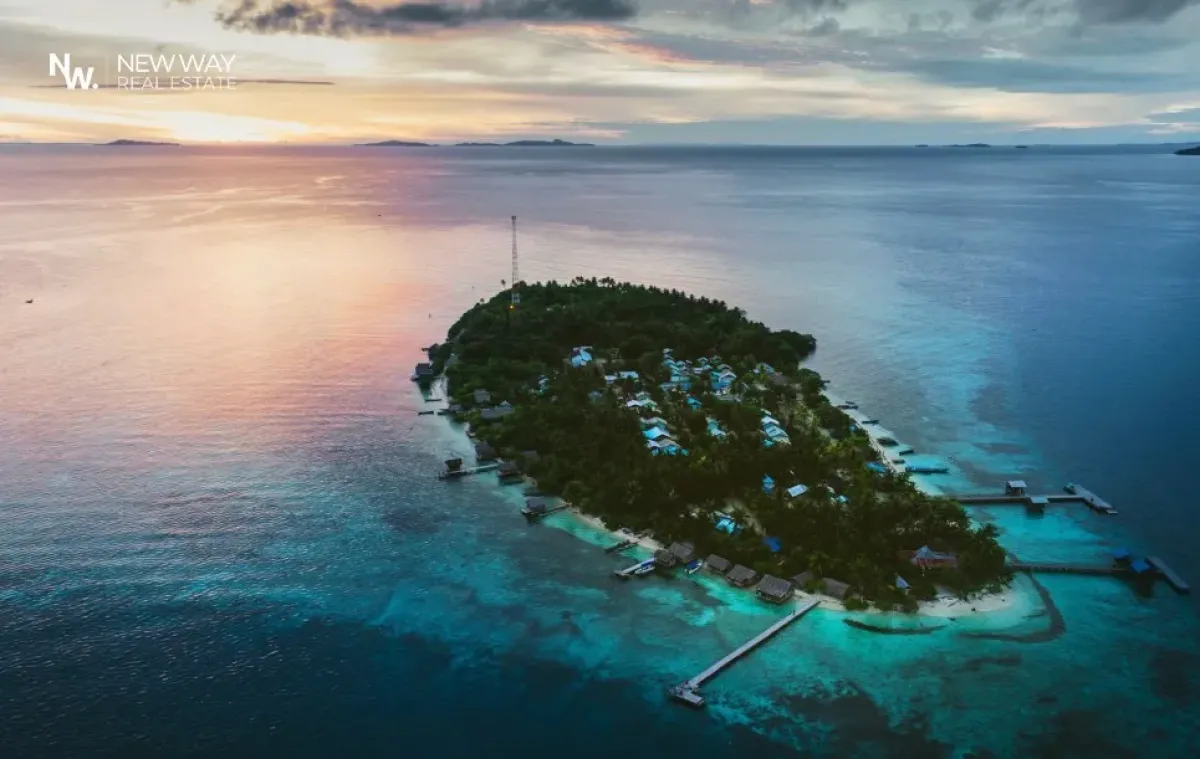
Construction of Dubai’s Artificial Islands began in 2001 and involved moving millions of cubic meters of sand from the Persian Gulf sea bed, using advanced GPS technologies for precision shaping, and compacting for stability.
In 2025, the new 70-unit Anantara resort opened on one of Dubai’s World Islands. Additionally, projects such as Bluewaters Island and Burj Al Arab Jumeirah are other successful examples of sustainable and innovative development on the Persian Gulf, and are considered among Dubai's attractions. Today, with advanced infrastructure, luxury accommodations, and innovative architectural projects, Dubai has become one of the world’s main hubs for tourism and investment.
- Get a Free Consultation from Sales Team
- List of 11 Artificial Islands in Dubai
- How is the infrastructure of Dubai's artificial islands?
- Economic impact of artificial islands on Dubai’s prosperity
- 8 key reasons to invest in Dubai's Man-Made islands
- Review of the Impact of Emirates Artificial Islands on Tourism
- Stages of Construction of Dubai's Artificial Islands
- Impact of UAE’s Artificial Islands on the Persian Gulf
- Final Words on Dubai’s Artificial Islands
- Why Choose New Way Real Estate?
List of 11 Artificial Islands in Dubai
- Palm Jumeirah Island
- Bluewaters Island
- Jumeirah Bay Islands
- Dubai Maritime City
- Pearl Jumeirah
- Dubai Harbour
- Deira Islands
- The World Islands
- Palm Jebel Ali
- Jumeirah Marsa Al Arab
- Burj Al Arab Island
1. Palm Jumeirah Island
Palm Jumeirah is considered the first and largest man-made island in the world, designed and built by Nakheel Real Estate Company. Jumeirah is designed in the shape of a palm tree and contains a unique collection of luxury apartments, beachfront villas, 5-star hotels, and chain restaurants. The legendary Atlantis hotel and Aquaventure water park host a large number of international tourists every day. The Arymani Beach Residence and Como Residence Jumeirah off-plan projects are ideal destinations for investment in Dubai.
Palm Jumeirah Island Structure Specifications
Palm Jumeirah is one of the largest artificial islands in the world and is designed in the shape of a palm tree with 17 fronds (branches). Some of the characteristics of this island are:
| Palm Jumeirah Island Features | Description |
|---|---|
| Structure | Palm tree |
| Type of breakwater used | Crescent shape |
| Type of materials used | Ocean sand |
| Population | 25,550 people |
| Area | 5.72 square kilometers |
Unique features of Palm Jumeirah artificial island
- Luxury residences: This complex is host to luxurious hotels and villas like Atlantis and Waldorf Astoria with unique accommodation and recreational facilities.
- Monorail transportation system: This area is connected to the mainland and other key points of Dubai through the monorail system.
- Recreational and tourism facilities: This development includes Aquaventure water park, Lost Chambers Aquarium, various international restaurants, and extensive shopping centers.
- Advanced engineering: This island is built using GPS technology and advanced land reclamation methods, and is known as a symbol of innovation and modern engineering.
- Environmental considerations: The breakwaters are designed in a way that, while maintaining the natural water flow, also prevent environmental damage.
2. Bluewaters Island
Bluewaters Island Dubai was designed and developed by Meraas Holding. the world’s largest Ferris wheel at 210 meters high, is located at the center of the island alongside other attractions such as Madame Tussauds museum and vertical gardens. Bluewaters offers 10 medium residential towers, 698 apartments, and 17 townhouses for residency. The island is adjacent to Jumeirah Beach Residence (JBR) and is close to Dubai Marina.
Bluewaters Island Structure Specifications
Bluewaters Island is one of Dubai’s major and modern developments, constructed artificially and consisting of a range of advanced residential, commercial, recreational, and tourism amenities.
| Description | Bluewaters Island Features |
|---|---|
| Type of breakwater used | Crescent shape |
| Type of materials used | Sand, stone, and geotextile materials |
| Population | 6,000 people |
| Area | 0.32 square kilometers (or 32 hectares) |
3. Jumeirah Bay Island
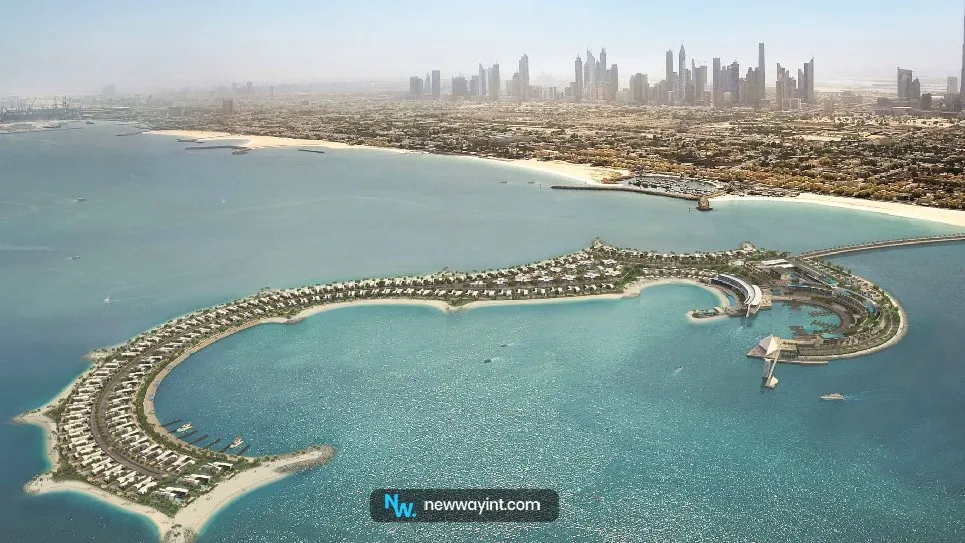
Jumeirah Bay Island is a 6-million-square-foot island shaped like a seahorse, developed by Meraas Real Estate Company. As a symbol of luxurious and lavish living, Jumeirah Bay Island is connected to Jumeirah by a 300-meter bridge.
The 4 and 5-bedroom Bulgari Lighthouse penthouses, due to their low height, offer a panoramic view of the Persian Gulf and nature. The Bulgari Resort Residence mansions and apartments, designed by renowned Italian architects Antonio Citterio and Patricia Viel, along with outstanding amenities such as yachts, have turned this development into a paradise for billionaires.
“the artificial archipelago dubai along the city’s northern coast will cover more than 4,000 acres across five islands featuring resorts.”
Source: travelandleisure
4. Dubai Maritime City
Dubai Maritime City serves as a vital hub for over 280 different professions, ship repair, and trade. The development also features a mix of educational and research facilities, becoming a key center for the maritime industry in the region.
This 249-hectare artificial island is strategically located between Port Rashid and Dubai Drydocks World. Apartments like Oceanz by Danube and Coral Reef by DAMAC are among the key off-plan projects in the Maritime City district. Maritime Island, built by DP World, enjoys easy access to Sheikh Zayed Road and Jumeirah Beach Road.
5. Pearl Jumeirah Island
Meraas Real Estate Development built Pearl Jumeirah Island, spanning 8.3 million square feet, between the years 2009 and 2012 (Gregorian, not Jalali). Pearl Jumeirah offers luxurious facilities such as beach clubs and hotels, providing a vibrant environment for its residents.
Pearl Jumeirah Island is one of the few areas in Dubai where expats can invest in real estate. This fast-growing area provides an opportunity to buy land in Dubai and build houses. Investors interested in villas for sale in Dubai can choose from among 300 unique villa plots with various amenities in this area.
6. Dubai Harbour Island
Dubai Harbour, with 1,100 feet of marina, can accommodate the largest private yachts. The facilities on this artificial island in the UAE include a yacht club, a helipad, and fueling stations.
Dubai Harbour was designed by Meraas and features luxury residences and hotels. There are two highly luxurious cruise terminals in this area, each offering separate entertainment, retail, and leisure facilities. Dubai Harbour has significant tourism potential, making it a suitable place for investment and purchase a hotel in Dubai.
Recommended Article: Palm Jumeirah Area
7. Deira Islands
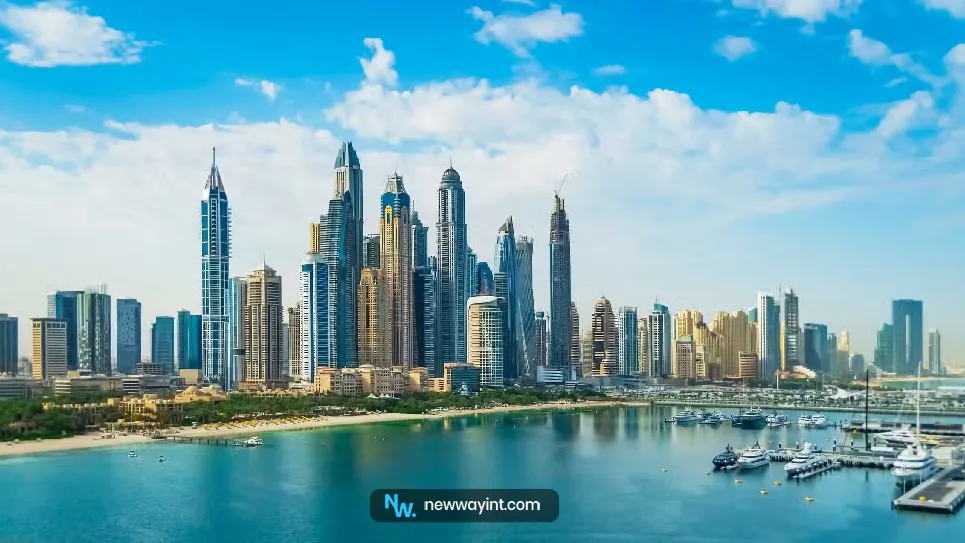
Deira Islands consist of 4 artificial islands designed by Nakheel and are located amidst the turquoise waters of the Persian Gulf. Visitors to Deira Islands can enjoy lush beach resorts with various leisure and tourist options. These islands are set to host more than 1,000 cafes and restaurants, a shopping center, and the world's largest night market. One of the most notable hotels on the island is the Riu Dubai Beach Resort, offering luxury services to residents.
8. The World Islands Dubai
The World Islands, also known as The World Islands, are designed in the shape of a world map and represent one of Nakheel's largest real estate projects. The World Islands complex consists of 7 clusters and 300 islands, each named after the 7 continents. The average sale price of 2-bedroom and 6-bedroom villas on The World Islands is 16,500,000 and 67,858,000 dirhams respectively.
These artificial islands offer luxury accommodations and commercial spaces, inspired by architectural and cultural themes from around the world. Additionally, these islands will host chain restaurants, hotels, and celebrity properties.
9. Palm Jebel Ali
Palm Jebel Ali consists of 7 interconnected islands with 80 hotels, where the first set of villas sold out at launch. This grand Nakheel project is expected to house about 35,000 families. Jebel Ali Island forms part of Dubai's economic project (D33) and its area is nearly twice that of Palm Jumeirah.
This island will offer a clean and green environment with several biking and walking paths. Palm Jebel Ali's residential properties include a range of beachfront residences, including luxury villas, townhouses, and apartments.
10. Marsa Al Arab Island
The Jumeirah Group plans to construct artificial islands on both sides of Marsa Al Arab offering unique entertainment services and attractions to tourists. The famous Wild Wadi Waterpark is on the northeastern side of these islands. On the southwest side of the tower, there is a private island featuring a boutique hotel and about 140 luxury apartments.
In May 2023, the Marsa Al Arab penthouse sold for 420 million dirhams, breaking the previous record set by the sale of an apartment in Bulgari Lighthouse at 410 million dirhams. This penthouse is on the highest floor of the Marsa Al Arab Hotel and boasts a private pool and a 360-degree view of the Persian Gulf.
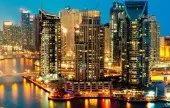
Recommended Article: Dubai Marina Area
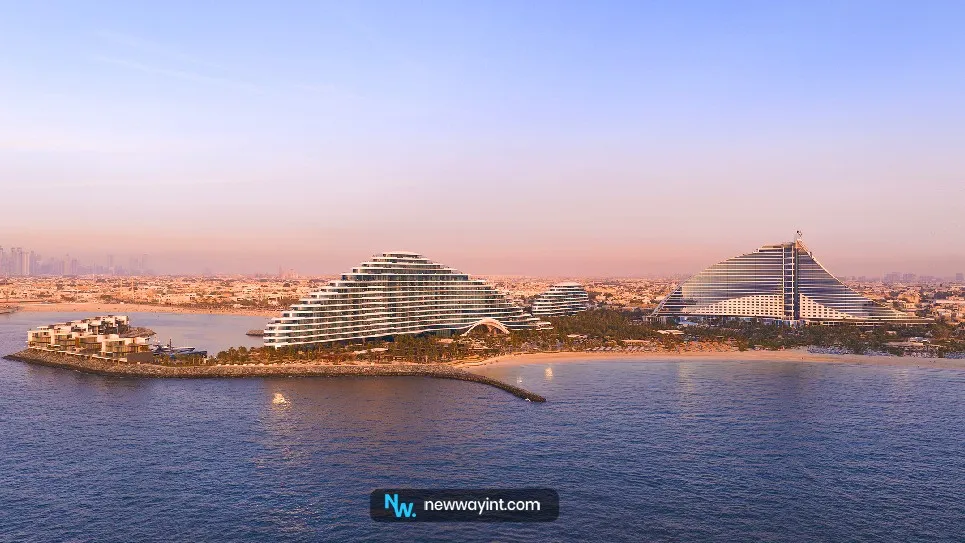
11. Burj Al Arab Island
the world's first and most famous 7-star hotel, is located on a man-made private island developed by the Jumeirah Group. This island offers a private beach for guests and a helipad for easy arrival and escape from Dubai’s heavy traffic. The island is also connected to the mainland via a private bridge. Burj Al Arab, with amenities like a waterpark and jet skis, offers enjoyable moments to guests.
How is the infrastructure of Dubai's artificial islands?
Building artificial islands requires complex marine technologies. First, seabed sand is dredged, then molded and compacted by pressing machines. These islands are equipped with massive breakwaters to protect them from erosive sea waves.
Systems for water drainage, underwater power installations, transport, and water supply form the vital infrastructure and require significant financial resources and precise design. That’s why giant projects like Jebel Ali and The World Islands have still not been fully completed.
Economic impact of artificial islands on Dubai’s prosperity
The UAE's artificial islands, thanks to their unique tourist attractions, have transformed Dubai’s economy. The main positive effects on different economic aspects are as follows:
| Economic Impact & Benefits | Description |
|---|---|
| Growth of tourism industry | Annual increase in the number of international tourists |
| Growth of foreign investment | Attraction of major international investors |
| Job creation | Employment of engineers, workers, and service personnel |
| Development of Dubai's infrastructure | Improvement of transport, water, and power facilities |
| Growth of real estate industry | Increase in home prices and rental rates |
| Economic diversity | Development of side industries such as hospitality and marine recreation |
| Revenue generation | Government revenue from tourism |
| New technologies | Improvement of marine construction technologies |
8 key reasons to invest in Dubai's Man-Made islands
The prominent factors that make these islands an attractive investment destination include:
- Spectacular coastal views
- Luxury and private residential units
- Proximity to shopping centers and city services
- Modern restaurants and hotels
- Diverse sports and leisure facilities
- Advanced infrastructure and amenities
- Potential for capital growth
- Sustainable development and environmental awareness
Review of the Impact of Emirates Artificial Islands on Tourism
Dubai's artificial islands, especially Palm Jumeirah and Bluewaters, have had a significant impact on the city's tourism industry. These islands have created new and diverse amenities for tourists, offering a unique and special travel and leisure experience. The presence of luxury resorts, private beaches, and attractions like the Ain Dubai Ferris wheel has boosted tourist numbers. As a result, over 10 million people visit the city annually.
Stages of Construction of Dubai's Artificial Islands
The construction process for the UAE's artificial islands involves the following steps:
- Dredging: Typically sand is extracted from the sea bed using specialized equipment in the Persian Gulf.
- Preparation of the Sea Bed: The seabed is prepared to create a strong and stable base for island construction.
- Shaping and Compaction: The extracted sand is transported to the construction site and spread and compressed into the desired shape and size. To stabilize and strengthen sand layers, the vibro-compaction method is used, involving probes and high pressure from water and air.
- Construction of Breakwater: Large rocks are used to build breakwaters to protect the island from sea waves.
- Island Protection: The island’s perimeter is covered with stone and sand to prevent erosion.
- Infrastructure development and maintenance: After construction, infrastructure such as roads, facilities and buildings are built, and continuous maintenance is carried out to preserve the island's shape.
Impact of UAE’s Artificial Islands on the Persian Gulf
According to an article published by the Journal website, the construction of artificial islands in the UAE has serious environmental consequences for the Persian Gulf!
These projects disrupt the natural water flow, increase water salinity and temperature, and endanger the habitat of many marine species such as migratory fish, sea turtles, coral reefs, and sea plants. Since the Persian Gulf is a semi-enclosed and highly sensitive ecosystem, such changes can cause extensive long-term damage to regional biodiversity.
Final Words on Dubai’s Artificial Islands
Artificial islands in UAE such as Palm Jumeirah, Palm Jebel Ali, and The World Islands are among the top attractions of Dubai and symbolize development and modernity. Despite environmental harms, Dubai continues its interest in developing artificial islands, but upcoming projects are likely to be smaller and more sustainable.